
St. Augustine FL Chiropractor Discusses Proper Child Backpacks
St. Augustine FL Chiropractor Discusses Proper Child Backpacks
St. Augustine FL Chiropractor Discusses Proper Child Backpacks
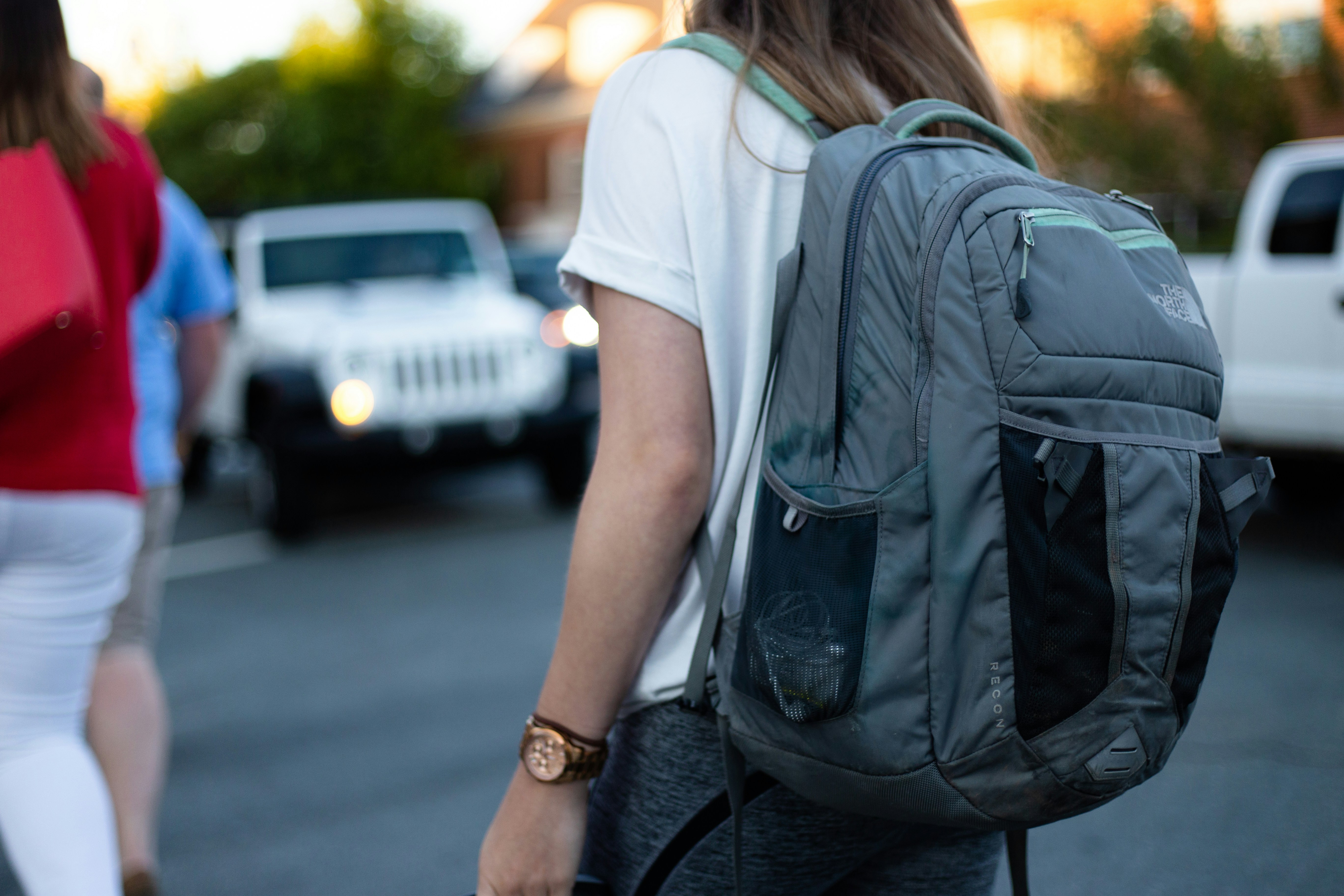
Backpacks are a normal part of school life, but the way a backpack fits, is packed, and is carried can make a difference in a child's comfort.
Children are constantly growing and changing, so a backpack that fit well last school year may no longer be the best fit today. A bag that is excessively heavy, poorly adjusted, or carried incorrectly can contribute to muscle strain and discomfort in the back, shoulders, and neck.
Fortunately, choosing and using a backpack properly doesn't have to be complicated. A few simple habits can help make carrying school supplies more comfortable for your child.
Choosing the Right Backpack in St. Augustine, FL
Start with a backpack that is appropriately sized for your child rather than choosing the largest bag available.
When shopping for a school backpack, consider looking for:
A lightweight design: The backpack itself should not add unnecessary weight.
Two wide, padded shoulder straps: Both straps should be comfortable and adjustable.
Multiple compartments: Several sections can make it easier to distribute supplies rather than allowing everything to collect in one area.
A comfortable fit: The backpack should sit securely against the child's back without hanging excessively low.
A waist or hip strap: For larger or heavier loads, an appropriately used waist or hip strap can provide additional support.
Your child's comfort should be a major consideration. If the backpack is rubbing against the shoulders, hanging too low, or causing your child to change the way they walk or stand, it may need to be adjusted or replaced.
How Should a Backpack Be Packed?
Once you've selected an appropriate backpack, pay attention to what goes inside it.
A useful general guideline is to keep the loaded backpack around 10–15% of a child's body weight whenever possible. School requirements vary, however, so reducing unnecessary items is often one of the easiest ways to lighten the load.
Try these packing strategies:
Put heavier books and supplies closer to the child's back.
Distribute items between the backpack's compartments.
Remove items that aren't needed that day.
Avoid carrying multiple unnecessary books or electronic devices.
Check the backpack periodically to make sure it hasn't gradually become overloaded.
If your child's school provides lockers, digital textbooks, or other alternatives to carrying everything throughout the day, take advantage of them when practical.
Teach Your Child How to Wear the Backpack
Even a well-designed backpack can become uncomfortable if it is worn incorrectly.
Encourage your child to:
Use both shoulder straps instead of carrying the backpack on one shoulder.
Adjust the straps so the backpack sits close to the body.
Avoid allowing the bottom of the backpack to hang excessively low.
Use the waist or hip strap when the backpack has one and it is appropriate for the load.
Avoid leaning excessively forward while walking.
Lift the backpack using the legs and avoid twisting while picking it up.
It's also a good idea to teach children to put their backpack on and take it off carefully, especially when the bag is heavily loaded.
What Problems Can an Improper Backpack Cause?
A backpack that is too heavy or poorly fitted can contribute to temporary discomfort and muscle strain. Children may complain of:
Shoulder discomfort
Neck pain
Back pain
Muscle fatigue
Tingling or numbness
Pressure from straps
Changes in posture while carrying the bag
Not every symptom is caused by a backpack. Persistent pain, numbness, weakness, or other unusual symptoms should be evaluated rather than automatically attributed to school supplies.
There is also no good reason to assume that wearing a normal school backpack will permanently damage a child's spine. The goal is simply to minimize unnecessary strain and make carrying school materials as comfortable as possible.
A Few Minutes of Prevention Can Help
Before the school year gets busy, take a few minutes to check your child's backpack. Make sure it fits properly, remove unnecessary items, and adjust the straps so the bag sits comfortably.
As children grow, their backpack fit should be checked periodically as well.
If your child is experiencing ongoing back, neck, or shoulder discomfort and you're unsure what may be contributing to it, an appropriate healthcare evaluation can help identify the cause.
If you have questions about your child's musculoskeletal health, the team at CHIRO + LASER Saint Augustine is available to answer your questions and discuss whether chiropractic care may be appropriate.
Contact our St. Augustine, FL office today to learn more.